

The allure of the open road is a classic American dream. But in 2026, the trucking industry is a complex landscape of rising fuel costs, changing regulations, and high demand for logistics. If you have a truck—or are thinking of getting a CDL—you are likely asking the big question: How much do truck drivers make in today's economy?
The median truck driver salary in the United States is $57,440 per year, according to the Bureau of Labor Statistics. But that single number hides a massive range. Some drivers earn under $39,000. Others clear six figures. The difference comes down to what you haul, how far you drive, and how much of your personal life you're willing to trade for a paycheck.
If you're exploring trucking as a career—or you already own a truck and want to maximize what it earns you—here's what the pay actually looks like in 2026, broken down by experience, job type, and driving model.
Average truck driver salary in 2026
The BLS reports a median annual wage of $57,440 for heavy and tractor-trailer truck drivers as of May 2024 (the most recent federal data available). That works out to roughly $27.62 per hour.
But averages can be misleading. The bottom 10% of drivers earn less than $38,640, while the top 10% earn more than $78,800. Specialized roles and certain employers push that ceiling even higher.
Here's how pay breaks down across common trucking roles:
Sources: Bureau of Labor Statistics (May 2024), ZipRecruiter, PayScale, Glassdoor. On-demand rates based on Lugg platform data.
Truck driver pay by experience level
Entry-level drivers (0–1 years)
Fresh CDL holders typically start between $48,000 and $58,000 per year. Many carriers dangle sign-on bonuses of $5,000 to $15,000, but read the fine print—most require you to stay with the company for 12 to 24 months or you'll owe it back.
The first year is also the steepest learning curve. You'll likely be assigned less desirable routes, run team loads, and deal with the adjustment to life on the road. The pay reflects that.
Mid-career OTR drivers (3–7 years)
This is where the traditional trucking paycheck starts to look solid. Experienced over-the-road drivers earn between $70,000 and $95,000 depending on the carrier, freight type, and how many miles they're willing to log. At this stage, you're picking up better routes and building relationships with dispatchers.
Specialized and high-paying trucking jobs
Drivers who haul hazardous materials, oversized loads, or tanker freight consistently earn the most—often $85,000 to well over $100,000. These roles require additional endorsements, more training, and a clean safety record, but the premium pay reflects the added risk and responsibility.
Owner-operators who own their rigs can gross $200,000 or more, though fuel, maintenance, insurance, and truck payments eat into that significantly. Net income for owner-operators typically lands between $70,000 and $120,000 after expenses.
The real cost of a trucking salary
Here's where the headline salary numbers get complicated.
OTR drivers regularly work 60 to 70 hours per week. Federal hours-of-service rules cap driving time at 11 hours per day, but loading, unloading, waiting at docks, fueling, and inspections push total working hours much higher. When you divide a $75,000 salary by 3,500 annual working hours, you're looking at roughly $21 per hour—well below what the annual figure suggests.
Then there are the costs that don't show up on a pay stub. Road meals run $50 to $75 per day if you're not cooking in your cab. Truck stop showers, laundry, and parking fees add up. And the personal cost—missing holidays, kids' milestones, and weeks away from home—doesn't have a dollar amount, but it's the reason turnover in long-haul trucking hovers around 90% annually for large carriers.
The Alternative: The "Gig Economy" Trucking Model
The trucking salary question assumes one model: get a CDL, sign with a carrier, and drive long distances for a per-mile rate. But the logistics industry has shifted. The last-mile delivery and local moving market is booming, and it's created a completely different earning model for people who own trucks.
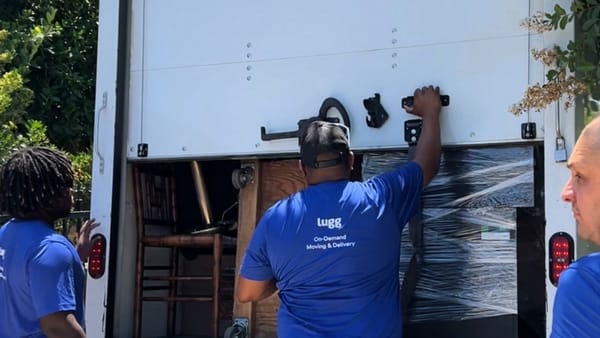
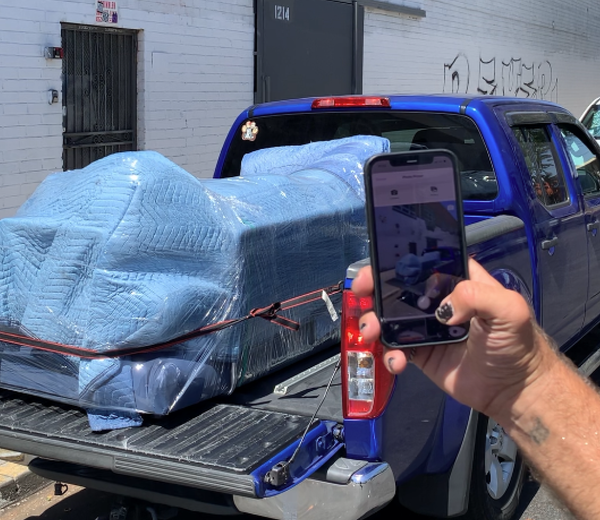
On-demand platforms like Lugg connect people who need things moved with drivers who have the vehicle and the muscle to do it. Instead of spending weeks on the road hauling freight cross-country, you're picking up a couch from a furniture store and delivering it across town. Or helping someone move out of their apartment on a Saturday morning. If you're exploring ways to make money with your truck, this model is worth a serious look.
It's a fundamentally different calculation: instead of asking "how much do truck drivers make per mile," you're asking "how much can I earn per hour while sleeping in my own bed?"
Why local on-demand driving pays differently
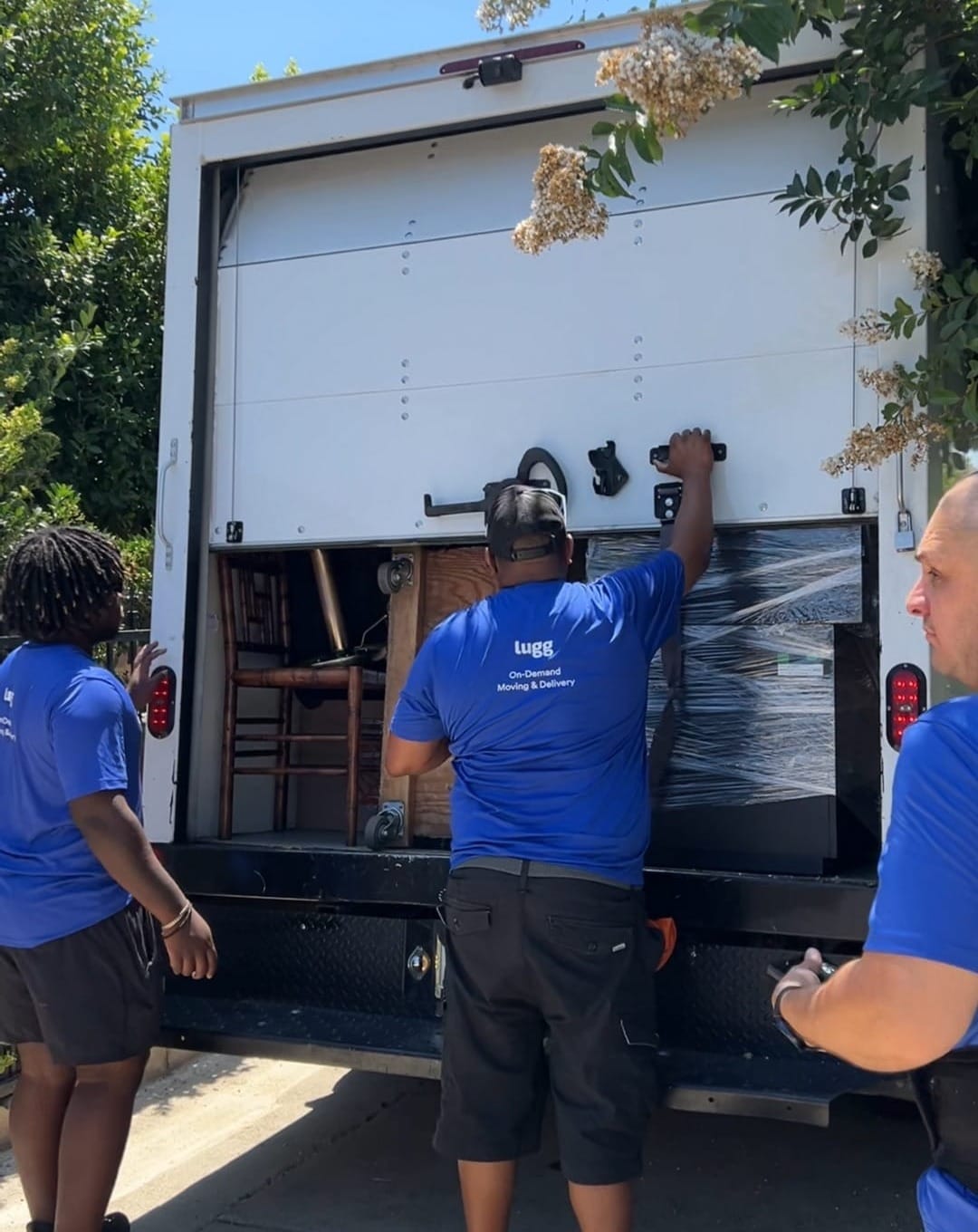
Lugg connects people who need stuff moved with people who have the muscle and the vehicle to move it. Here is why many truck owners are choosing Lugg over a traditional carrier route:
- You're paid for driving and labor. Traditional trucking pays for miles driven. On-demand moving platforms pay for the full service—driving, loading, and unloading. That combination commands a higher rate than driving alone.
- No CDL required. If you own a pickup truck, cargo van, or box truck, you can start earning without spending $3,000 to $7,000 on CDL training and weeks in a classroom. A clean driving record and the ability to lift heavy items are the main requirements for platforms like Lugg.
- You control your schedule. In traditional trucking, dispatch tells you where to go and when. With on-demand driving, you toggle the app on when you want to work and off when you don't. That flexibility is why many drivers use it to supplement a day job, pay off a truck loan, or work full-time on their own terms.
- You stay local. No sleeping in cabs. No truck stop showers. No missing your kid's soccer game. Lugg movers work within their own city, which means the lifestyle cost of earning a paycheck drops to nearly zero.
Lugg movers can earn up to $2,500 per week driving their own vehicle, plus tips. The exact amount depends on your market, hours worked, and vehicle type—but the per-hour earnings often outpace what long-haul drivers make when you factor in their actual working hours.
Don't have a truck? You can still earn with Lugg. You don't actually need to own a vehicle to make money in the moving space. Lugg helpers work alongside drivers, handling the loading and unloading side of the job. All you need is a smartphone and the ability to lift. It's a solid way to become a Lugg helper and start earning without any vehicle investment at all.
Which path is right for you?
There's no single answer to "how much do truck drivers make" because there's no single type of truck driver anymore. The gap between traditional driver jobs and gig apps is shrinking, and more drivers are choosing flexibility over a fixed route.
If you want predictable W-2 income with benefits and don't mind extended time away from home, traditional OTR trucking still pays well—especially in specialized roles. The industry needs drivers, and carriers are offering competitive packages to attract them.
If you value flexibility, want to stay local, and already own a truck or van, on-demand platforms offer a way to earn serious money without the lifestyle trade-offs of long-haul driving. You won't get employer-provided health insurance, but you'll get something a lot of OTR drivers would trade their sign-on bonus for: your evenings and weekends back.
The smartest approach might be combining both—using on-demand work to build income while deciding whether full-time trucking is the right long-term move.

Frequently asked questions
How much do truck drivers make per mile?
Most OTR drivers earn between $0.45 and $0.65 per mile, depending on experience and carrier. Specialized haulers (hazmat, oversized) can earn $0.70 or more per mile. Owner-operators may earn $1.50 to $2.50 per mile gross, but fuel and maintenance costs significantly reduce take-home pay.
What is the highest paying trucking job?
Specialized hauling consistently pays the most. Hazmat tanker drivers, oversized load specialists, and ice road truckers can earn $100,000 to $150,000 or more annually. Owner-operators running their own authority have the highest gross earnings potential, though expenses are also highest.
Do you need a CDL to drive for Lugg?
No. Lugg, an on-demand moving service available in 8000+ U.S. zip codes, doesn't require a CDL. If you own a pickup truck, cargo van, or box truck and have a clean driving record, you can sign up. You'll need to be physically able to help load and unload items.
How much do delivery drivers make compared to truck drivers?
Delivery drivers (last-mile, package delivery) typically earn $45,000 to $65,000 per year, but top earners consistently earn six digits with Lugg, which is lower than experienced OTR truckers. However, delivery drivers work more predictable hours, stay local, and don't need a CDL in most cases. On the higher end, top Lugg movers are earning $100,000 or more per year by combining driving with physical labor in busy markets.
Is truck driving worth it in 2026?
It depends on what you value. The pay is solid—especially for specialized drivers—and demand is strong with 237,600 projected annual job openings. But 60- to 70-hour weeks and weeks away from home aren't for everyone. Many drivers are finding that local, on-demand driving offers comparable hourly rates with far better work-life balance.
How much can you make driving for Lugg?
Lugg movers can earn up to $2,500 per week driving their own vehicle, plus 100% of tips. Top Lugg movers are pulling in $100,000 or more per year. Earnings vary by city, vehicle type, and hours worked. Because Lugg pays for both driving and physical labor (loading and unloading), per-hour rates tend to be higher than driving-only gig work.
What's the job outlook for truck drivers?
The BLS projects 4% employment growth for truck drivers from 2024 to 2034, roughly in line with the national average. About 237,600 openings are expected each year due to retirements and turnover. The industry continues to face a driver shortage, which keeps pay competitive.
So, what's the move?
The truck driver salary in 2026 ranges from under $40,000 for new drivers to well over $100,000 for specialized veterans. But the real question isn't just how much you'll earn—it's how you'll earn it. If you have a truck and want to skip the long-haul grind, you can drive for Lugg and put your vehicle to work on your own terms, in your own city.