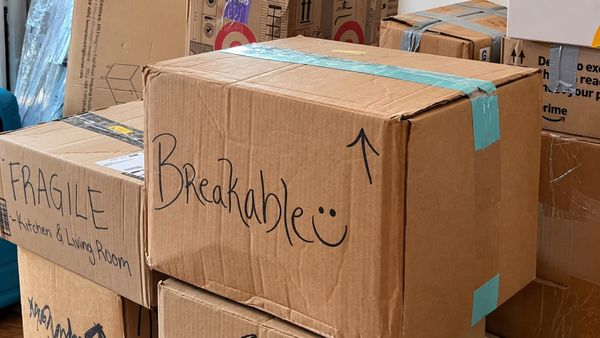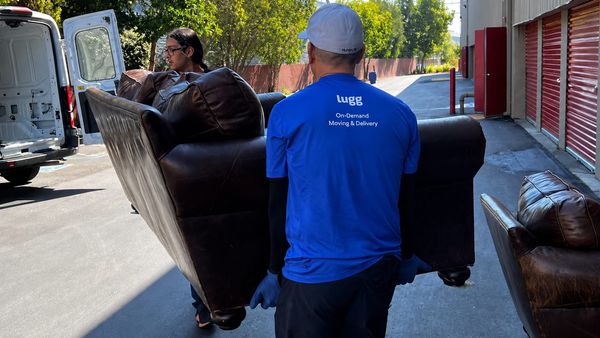


Decluttering before a move saves you money, time, and stress — every item you don't pack is one you don't pay to box, carry, or store. Because the cost to move typically scales with how much you're hauling, clearing out before moving day is the cheapest way to shrink your bill. Here's a room-by-room plan to get it done in a weekend, plus where everything should go.
Quick reference: the keep / donate / sell / toss method
| Pile | What goes here | Where it ends up |
|---|---|---|
| Keep | Used in the last year, hard to replace, or genuinely loved | Packed and moved |
| Donate | Usable but unneeded clothing, furniture, and housewares | Goodwill, Habitat for Humanity ReStore, or a charity pickup |
| Sell | Valuable, in-demand items worth the effort | Online marketplace, consignment, or a yard sale |
| Recycle / toss | Broken, expired, or genuinely unusable | Recycling, a hazardous-waste drop-off, or junk pickup |
Why decluttering before a move is worth it
Decluttering pays off in three concrete ways. First, it saves money: fewer items mean fewer boxes, a smaller truck, and a lower moving cost. Second, it saves time — you pack faster, and you unpack faster on the other end. Third, it gives you a clutter-free fresh start instead of hauling junk into a new space and dealing with it later. Moving is the rare moment when you handle every single thing you own, which makes it the single best opportunity you'll get to decide what's actually worth keeping.
When to start (and how long it takes)
Start decluttering at least two to three weeks before moving day — earlier for a whole house. Decluttering always takes longer than people expect, especially once sentimental items slow you down, so build in buffer. Work in short, focused sessions rather than one exhausting marathon: a couple of hours per room keeps decisions sharp and prevents the "just keep it all" fatigue that sets in late at night. If you're combining two households, our moving in together checklist helps you sort duplicates before they pile up.
A room-by-room decluttering plan
Tackle one room at a time so the job feels finite instead of overwhelming. A workable order:
- Storage areas first (garage, attic, closets) — this is where unused stuff hides, and clearing it builds momentum.
- Kitchen — toss expired food and duplicate gadgets; donate the bread maker you've used twice.
- Bedrooms and closets — use the one-year rule for clothing: if you haven't worn it in a year, it goes.
- Bathrooms — discard expired medications and half-used products.
- Living areas last — by now you've got the rhythm for furniture, decor, and books.
Set a timeline for each room and treat it like an appointment. Lugg's guide to downsizing before a move goes deeper on cutting a big household down to size.
Use the keep / donate / sell / toss method
For each item, make one fast decision: keep, donate, sell, or recycle/toss. The trick is to decide once and physically move the item to its pile immediately — no "maybe" box, because the maybe box always comes with you. Ask whether you've used it in the past year, whether you'd buy it again today, and whether it's worth paying to move. If the answer is no, let it go. Be especially ruthless with anything bulky or heavy, since those are exactly the items that drive up truck size and moving cost.
Where your donations and discards should go
Route everything out of your home in the greenest, easiest way possible. Donate usable clothing, furniture, and housewares to local charities like Goodwill or Habitat for Humanity ReStore — many offer pickup for larger items. Sell what's valuable on marketplaces or through consignment, and recycle electronics, batteries, and scrap properly rather than putting them at the curb. For anything broken or unusable, a junk pickup clears it in one go, and our guide to finding a dump or donation center helps you figure out where each item belongs. If you'd rather not make the trips yourself, an on-demand service like Lugg can pick up donations and haul junk — even combining a charity drop-off and a dump run into the same booking.
Handling the big stuff
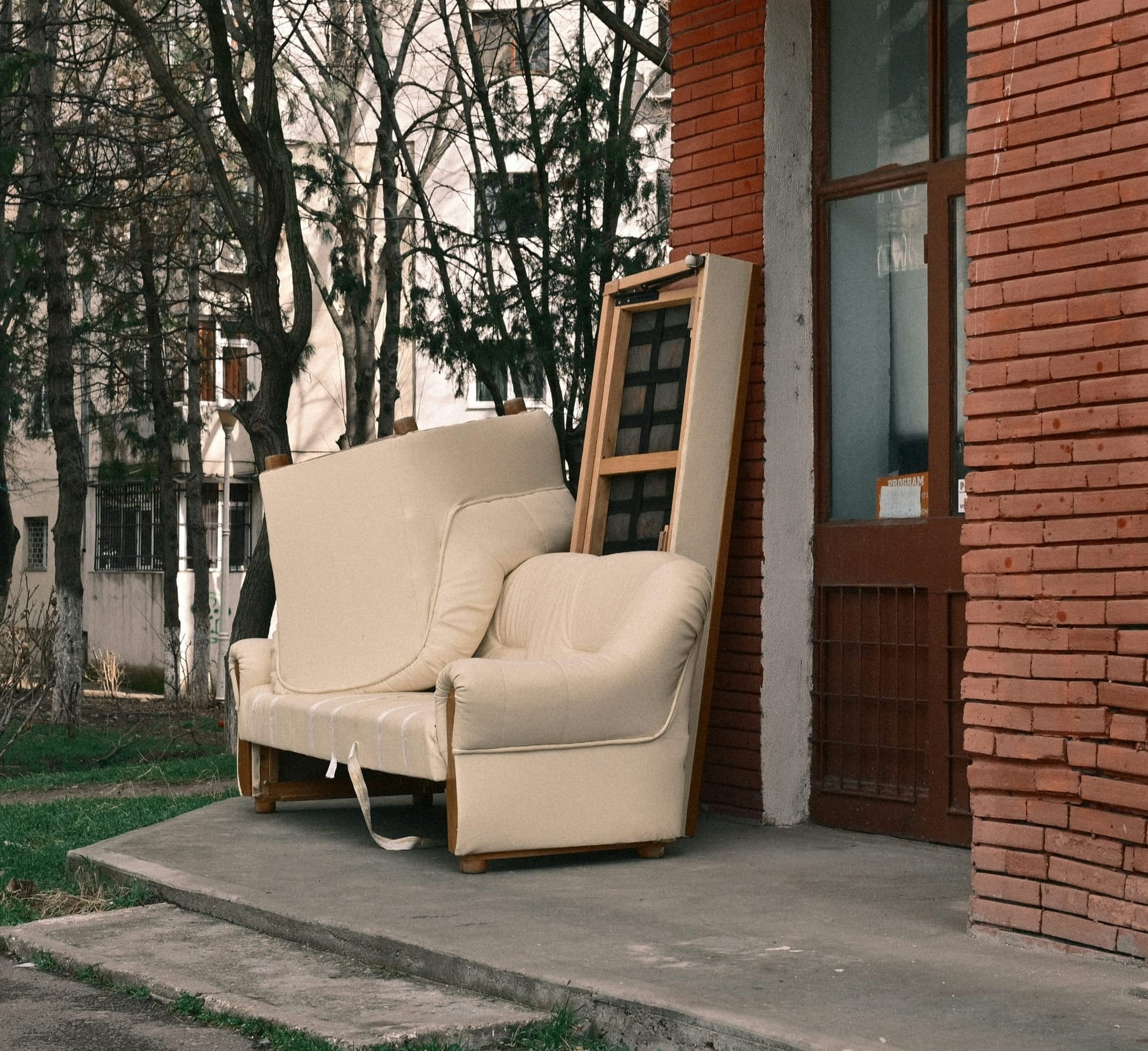
Large items need a plan of their own, because they're the hardest to donate, sell, or toss on short notice. Furniture you're not keeping should be listed or scheduled for donation pickup early — charities book up, and a couch left to the last minute usually ends up at the curb. Mattresses are notoriously hard to recycle and banned from many landfills, so see how to get rid of a mattress for the responsible options. Settling the big items first also tells you how much truck you'll actually need on moving day.
Decluttering is essential
Decluttering before a move is the highest-leverage thing you can do for your budget and your sanity — less to pack, less to carry, less to unpack, and a cleaner start in your new place. Begin a few weeks out, work room by room with the keep/donate/sell/toss method, and route everything to donation, sale, or recycling instead of dragging it along. When it's time for the heavy stuff to go, booking a donation pickup or junk haul takes the last load off your hands.