
Some of the highest-volume delivery accounts are design and staging companies. Across 48 staging, design, realtor and professional organizer companies, using Lugg, the median has booked around a dozen jobs, and on roughly a third of the days they book at all, they have more than one job running.
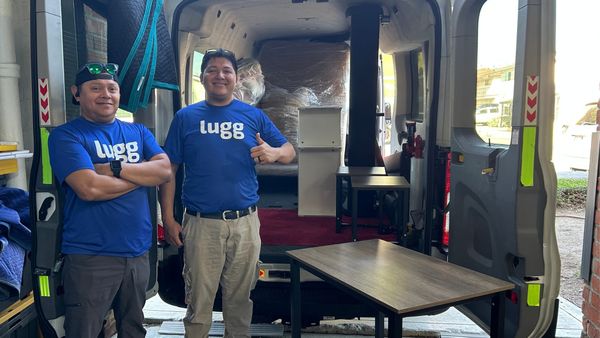
Lugg is an on-demand moving and delivery service that moves staging inventory between a warehouse, a listing and back, for staging and design companies covering installs, de-stages and the weeks their own trucks are committed. One designer describes the routine as "picking up rugs, delivering and installing, to scheduling a couple luggers to help rearrange furniture at a clients home."
Where a Staging Company Saves Time and Money
The hours match the job. The earliest arrival window is 7 to 8am, which is what an install needs when a photographer is booked for late morning. Evening windows run to 8pm for a de-stage that can only happen after the last showing, and weekends are available at the same rates as weekdays. Those early windows are well used by the trade rather than theoretical.
Local arrival hour, staging and design accounts against everyone else
| Arrival hour | Staging & design | Everyone else |
|---|---|---|
| 8am | 11.2% | 3.9% |
| 9am | 17.2% | 6.8% |
| 10am | 15.1% | 11.7% |
| Before noon | 58% | 34% |
10am is the crossover. It's the busiest arrival hour for everyone else and only the third busiest for the trade, whose morning is largely spent by the time the general run of moves gets going.
Two jobs can run at once. Nothing limits a company to one booking at a time, and the trade takes advantage of it: on about a third of their active days, staging and design accounts have multiple jobs going simultaneously. An install in one neighborhood and a de-stage in another stop being a sequencing problem when they don't have to share a vehicle.
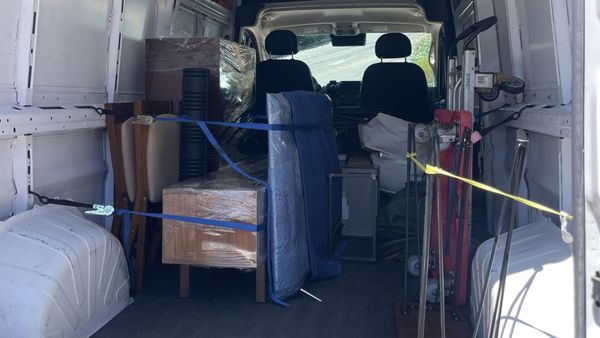
One booking covers up to five stops. Warehouse to listing to warehouse is a single job. So is pulling inventory from a closed listing, dropping part of it at the warehouse and carrying the rest straight to the next install. The return leg belongs on the booking as a stop, which is the difference between one dispatch and two.
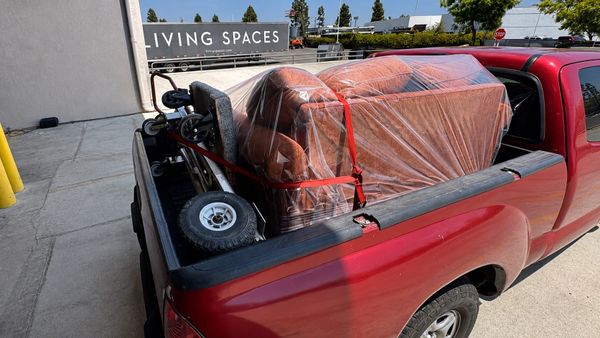
The vehicle matches the load. Pickup, Lugg Lite, van, XL and box truck are all bookable, and the customer picks per job rather than being assigned one. Most staging runs are a pickup, and roughly 96% of all Lugg moves fit in a van or smaller, which is worth knowing before sizing a purchase around the biggest week of the year.
The estimate comes before the booking. Enter the two addresses and the estimate appears, with no hourly minimum and no charge for how long the drive takes. Distance is priced as mileage between the addresses, so traffic on a crosstown run costs nothing extra.
How Do You Keep a Staging Booking From Going Wrong?
Four things that come up specifically when an outside crew is moving inventory rather than a household's own belongings.
1: Book the return leg as a stop, not a second job
The warehouse belongs on the stop list. Pulling inventory from a closed listing, dropping part of it at the warehouse and carrying the rest to the next install is one booking with three stops. Treating the return as a separate dispatch is the most common way a de-stage costs more than it needs to.
2: Bring your own blankets on a load-only job
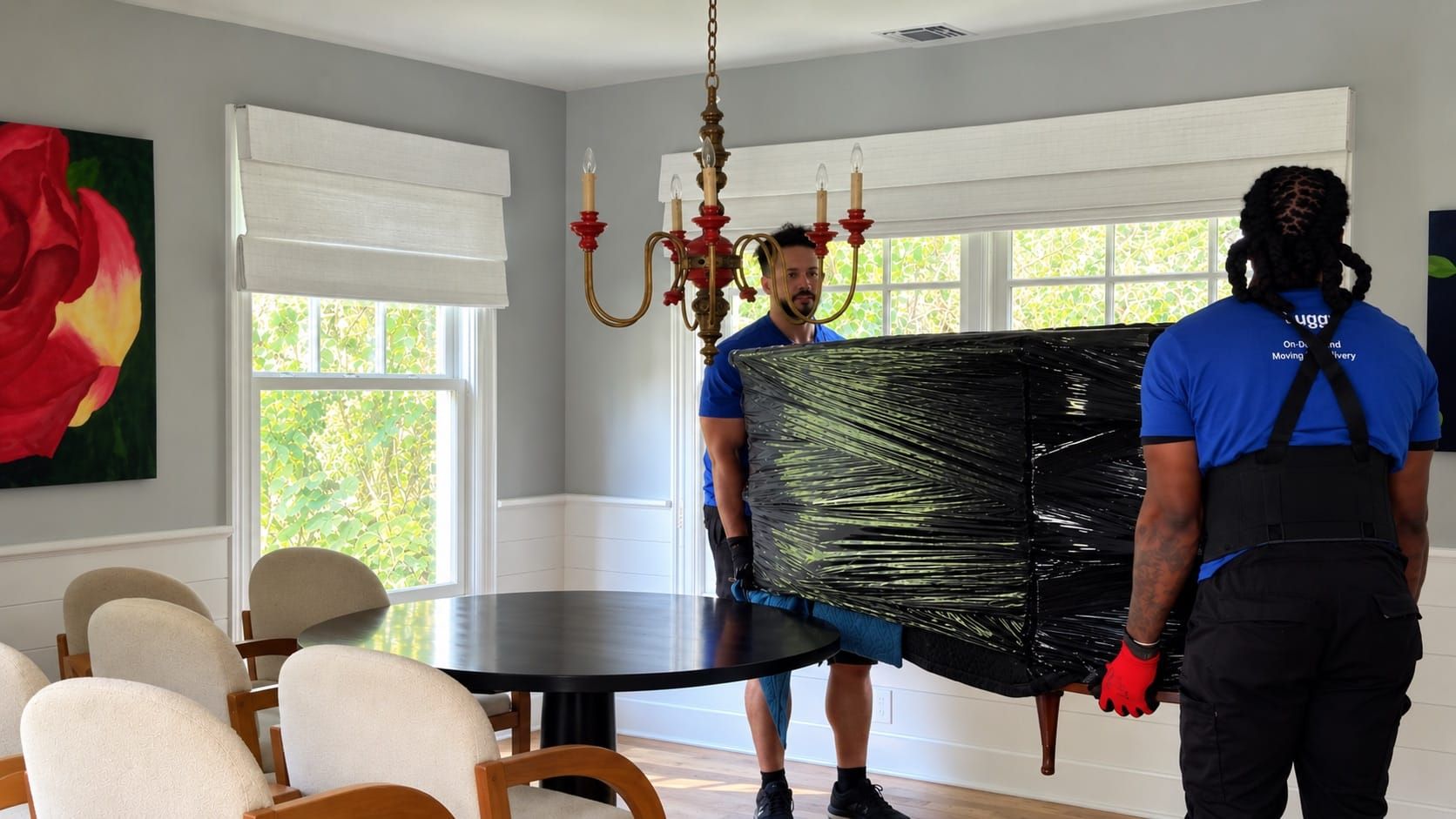
Movers pad a load with their own blankets and take those blankets with them at the end of the job. On a normal run nobody notices, because the pieces come off at the other end. When Lugg loads inventory that a staging crew will unload later, have your own blankets out and the movers will use those.
3: Order the stops by access window
The shortest route is worthless if the second stop's loading dock closes at three. Lugg's median trip runs about six miles, so the drive between stops is rarely the binding constraint on a metro job.
4: Send a piece list, not a room plan
A crew moving someone else's inventory needs to know what's coming and how it's wrapped. A numbered list of pieces travels better than a room-by-room design plan for everyone who isn't the stager.
How Big Should the Fleet Actually Be?
A truck is a fixed cost against a variable calendar, and the number worth watching is how many days a month it would actually move furniture. An owned truck earns its place on same-day recall of specific pieces, on control over handling for high-value inventory, and on branding a client sees. Sizing to the predictable base protects all three and leaves the peak weeks to be bought as they come. Volume climbs into the summer and falls off by January, while what a move actually costs stays close to flat all year.
The base can also be zero for a while. One staging company described the setup plainly: "I don't have my own truck yet for staging so I used these guys to bring the furniture from the store right to the home I was staging."
Companies that already run trucks use Lugg for the weeks those trucks are spoken for. An interior designer moving high-value furnishings put it this way: "when our regular moving teams are unavailable, I always seek out LUGG to help in a pinch." Her regular teams are good, and they're booked.
What This Looks Like Against an Interior Design Workflow
Staging and design get grouped together, and the bookings differ. A designer's project runs through a receiving warehouse with multiple vendors converging on one install date, which is a consolidation problem, and we covered that one in furniture delivery for interior designers.
Staging inventory goes out and comes back on the same account forty or fifty times a year, against dates other people set. The two therefore show up differently in the data. Designers book around an install date they help choose, and stagers book around a closing calendar they don't control, which is why the staging pattern skews early in the day and repeats far more often.
How Far Ahead Can You Book a Staging Install?
Bookings run up to 60 days ahead at the same rate as same-day, so a known install can go on the calendar as soon as the listing date is set, and the de-stage can wait until the closing is real. Staging companies moving inventory for their own listings book through a standard Lugg account at the standard upfront estimate: enter the addresses, pick the vehicle, add the stops and see the estimate before anything is confirmed.